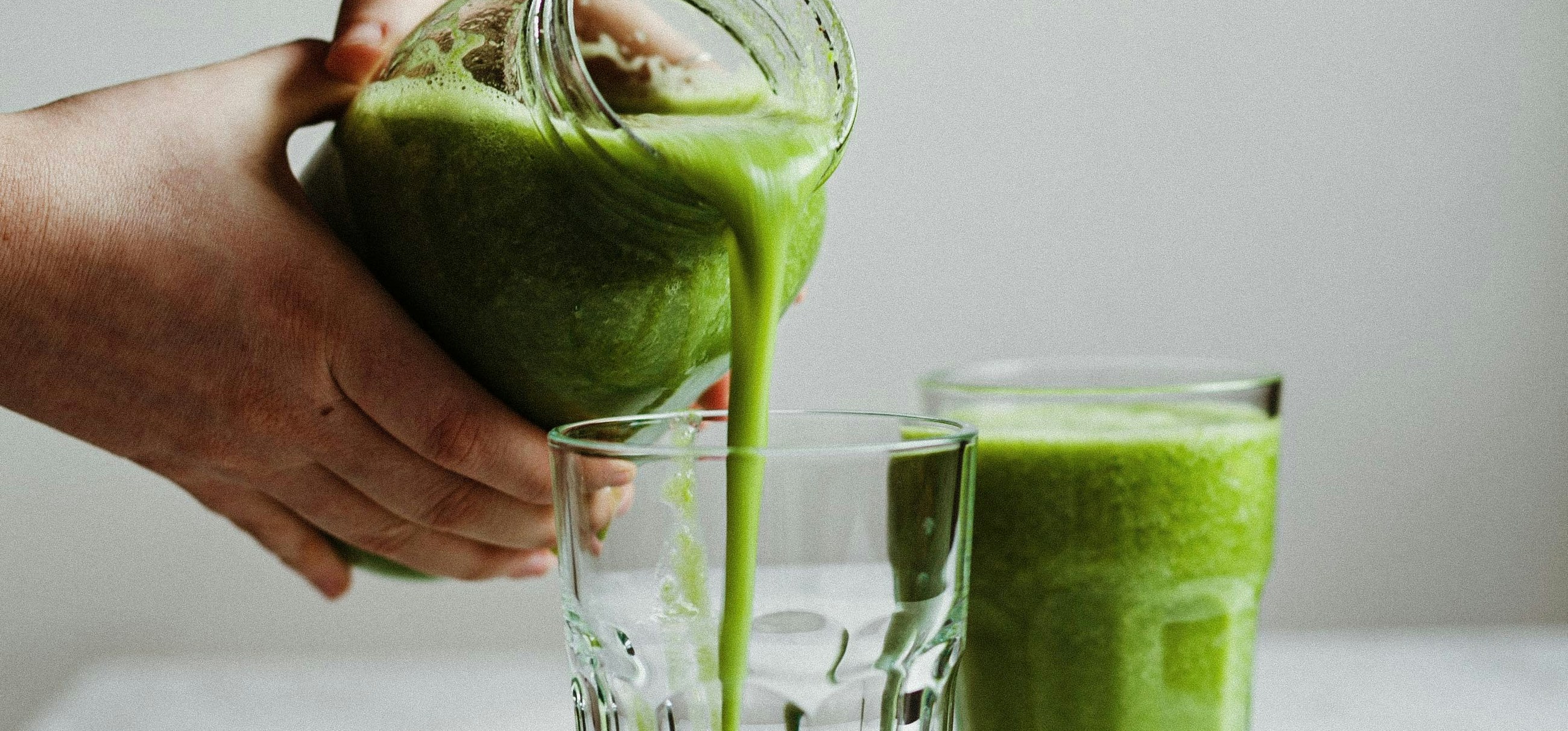
Millions drink celery juice on an empty stomach every morning because a self-proclaimed medium told them it would "cleanse" their liver. Your liver already detoxifies around the clock, using one of the most sophisticated enzyme systems in human biology. It does not need celery to do its job. Here is what the evidence actually says about celery juice, what "detox" really means, and the biomarkers that tell you how your liver is genuinely performing.
How a Vegetable Became a Billion-Dollar Ritual
The celery juice movement did not emerge from a clinical trial, a hospital ward, or a nutrition science lab. It emerged from Anthony William, a self-described "Medical Medium" who claims to receive health information from a spirit he calls the "Spirit of Compassion." William has no medical qualifications, no nutrition credentials, and no formal scientific training of any kind. His core claim: that drinking 16 ounces of pure celery juice on an empty stomach every morning can heal chronic illness, cleanse the liver, repair the gut, and reverse autoimmune disease.
The vehicle for these claims? A concept William calls sodium cluster salts, compounds he says exist in celery but that "science has not yet discovered." That is a direct quote from his website. He is not being modest about the current state of research. He is asserting that celery contains a biochemically unrecognised substance with miraculous healing properties, and that the absence of evidence is simply because scientists have not looked hard enough.
This would be easy to dismiss if the movement were small. It is not. William’s books have sold millions of copies. Novak Djokovic, Sylvester Stallone, Miranda Kerr, and Pharrell Williams have publicly endorsed him. The global celery juice market is now valued in the hundreds of millions of dollars and projected to exceed a billion within the decade. On TikTok and Instagram, #celeryjuice has billions of cumulative views. The trend has transcended wellness culture and become a daily ritual for millions of people worldwide.
The medical and scientific community’s position is unambiguous. No dietitians, no physicians, and no researchers support William’s specific claims. A spokesperson for the Academy of Nutrition and Dietetics has warned that it is "dangerous to suggest using celery juice in an attempt to fight diseases." Wikipedia’s entry on William, which is extensively cited, classifies his advice as pseudoscience based on alleged spiritual communication [1].
None of this means celery is bad for you. It means the claims being made about celery juice far exceed anything the evidence supports. And the distinction matters, because when people replace real health data with juice rituals, they are not optimising their health. They are guessing.
What "Detox" Actually Means, and What Your Liver Does Without Celery
Phase I, Phase II, and Phase III: The Real Detoxification System
Your liver is not waiting for a glass of green juice to start working. It is the most metabolically active organ in your body, processing roughly 1.5 litres of blood every minute. The detoxification system it runs is one of the most studied and well-characterised enzymatic processes in human biology.
Phase I detoxification is driven by the cytochrome P450 superfamily, a group of enzymes that oxidise, reduce, and hydrolyse toxic compounds, making them more reactive and water-soluble. These enzymes handle drugs, environmental chemicals, steroid hormones, and metabolic waste products. They are found primarily in the liver but also in the gut, kidneys, and lungs. There are over 50 known human CYP450 enzymes, and they are responsible for metabolising roughly 90% of all pharmaceuticals [2].
Phase II detoxification takes the reactive intermediates produced by Phase I and conjugates them, attaching water-soluble molecules like glutathione, sulphate, or amino acids, to render them safe for elimination. This is a critical step, because Phase I intermediates are often more toxic than the original compound. If Phase II cannot keep pace with Phase I, oxidative damage occurs [3].
Phase III is elimination, the transport of conjugated compounds out of liver cells and into bile or urine for excretion.
This entire system runs continuously. It requires adequate protein intake, B vitamins, magnesium, zinc, glutathione precursors, and sufficient caloric energy. It does not require celery juice. It does not require any "cleanse." And no clinical trial has ever demonstrated that any juice, tea, or detox product improves the function of this system in a healthy person.
Why "Detox" Products Do Not Detoxify Anything
The word detox has been co-opted by the wellness industry to mean something fundamentally different from what it means in biochemistry. In clinical medicine, detoxification refers to the liver’s enzymatic processing of harmful compounds. In wellness marketing, it refers to purchasing a product.
The Cleveland Clinic, one of the most respected medical institutions in the world, has stated plainly that celery juice "isn’t unhealthy, but it can’t reverse an unhealthy diet or fix all health issues." No juice cleanse, celery or otherwise, has been shown to enhance hepatic detoxification pathways in controlled human trials. A 2025 evidence-based review of liver detox protocols noted that juice fasts often lack the essential amino acids required for Phase II detoxification and may contain excessive fructose, which increases hepatic lipogenesis and can contribute to fatty liver disease [4].
The irony is pointed: the ritual marketed as a liver cleanser could, in excess, contribute to the very condition it claims to prevent.
What Celery Juice Actually Contains (and What Juicing Removes)
Celery is a nutritious vegetable. That is not in dispute. A cup of celery juice provides vitamins A, C, and K, potassium, folate, and smaller amounts of zinc, copper, and B vitamins. It contains bioactive compounds including apigenin and luteolin, flavonoids with documented anti-inflammatory and antioxidant properties in laboratory studies. A 2022 analysis published in Foods identified 71 phenolic acids, 38 flavonoids, 18 coumarins, 41 terpenoids, and 11 phthalides across different celery cultivars [5].
That is genuinely impressive phytochemistry. But there is a critical distinction between what celery contains and what celery juice delivers.
Juicing removes nearly all insoluble fibre from the vegetable. Insoluble fibre is the component that supports bowel regularity, feeds beneficial gut bacteria, stabilises blood sugar, promotes satiety, and helps lower cholesterol. These are precisely the digestive health benefits that celery juice proponents claim the juice provides, but the juicing process strips out the mechanism by which celery actually provides them.
Then there is the sodium question. One cup of celery juice contains approximately 189 mg of sodium. The 16-ounce serving William recommends delivers roughly 800 mg, more than you would get from two servings of french fries. For most healthy adults this is manageable within a balanced diet, but for anyone with hypertension or on a sodium-restricted diet, it is a significant and often unmentioned load.
There is also the issue of psoralens, naturally occurring compounds in celery that can cause photosensitivity, making skin more reactive to sunlight. For most people this is negligible, but for those consuming large daily quantities of celery juice, the risk of skin reactions and even blistering after sun exposure is real and documented.
The bottom line: celery is a good vegetable. Eating it whole, with its fibre intact, delivers more of its benefits than juicing it does. And juicing it while claiming it "detoxifies" your liver is not supported by any controlled human research.
What the Research Actually Shows, and What It Does Not
The Blood Pressure Evidence: Real, But Not Special
This is where celery juice advocates have a partial point, and where precision matters.
A 2025 systematic review and meta-analysis published in Frontiers in Nutrition examined six randomised controlled trials involving 383 participants and found that celery extract and juice showed statistically significant effects on both systolic and diastolic blood pressure [6]. The mechanisms are plausible: a compound called 3-n-butylphthalide has vasodilatory properties, and celery’s natural nitrate content may contribute to blood vessel relaxation.
A 2024 narrative review by Alobaidi and Saleh, published in the International Journal of Food Science, confirmed that celery contains compounds with antihypertensive properties, including apigenin and phthalides, demonstrated in both animal and human studies [7].
This is real evidence. But context is essential.
First, the studies are small. Six RCTs with a combined 383 participants is a thin evidence base. Several studies had high heterogeneity, and over 40% of outcomes in the systematic review were downgraded for inconsistency. Second, the effect sizes are modest, comparable to or smaller than the blood pressure reductions achieved through regular moderate exercise, dietary patterns like DASH or Mediterranean eating, beetroot juice, or leafy green consumption. Third, the studies used varying forms of celery, including whole plant, extract, and juice, making it difficult to attribute effects specifically to the 16-ounce morning juice ritual.
Celery may contribute to blood pressure management as part of a varied diet. It is not a unique or superior intervention for cardiovascular health.
Anti-Inflammatory Compounds: In Mice, Not in Juice Glasses
Apigenin and luteolin, two flavonoids abundant in celery, have shown anti-inflammatory effects in laboratory and animal studies. A 2017 study found that luteolin reduced inflammation in the nasal passages and lungs of mice exposed to allergens. Apigenin has demonstrated similar properties in cell culture models.
However, no human randomised controlled trial has tested the anti-inflammatory effects of celery juice specifically. And a finding that is frequently overlooked: flavonoid concentrations are roughly 20 times higher in celery leaves than in the stalks. Most people juice the stalks and discard the leaves, meaning they are getting a fraction of the compounds that the research actually studied.
Lab findings in isolated compounds and animal models do not translate directly to drinking a glass of juice. The dose, bioavailability, and metabolic processing are entirely different. This is not a technicality. It is the reason clinical trials exist.
The Claims Without Any Evidence
Some of William’s core claims deserve direct address.
Sodium cluster salts are not a recognised biochemical entity. They do not appear in any peer-reviewed journal, any biochemistry textbook, or any analytical chemistry database. William acknowledges this, stating that "science has not yet discovered" them. That is not a gap in the research. It is a fabricated concept.
Liver cleansing, gut healing, and autoimmune reversal from celery juice have never been tested in a clinical trial, let alone demonstrated. No controlled human study has shown that celery juice alters liver enzyme levels, repairs intestinal permeability, or modulates autoimmune disease activity.
The empty stomach requirement, the claim that celery juice must be consumed first thing in the morning on an empty stomach for maximum benefit, has no scientific basis. No study has compared the effects of celery juice consumed fasting versus with food.
What Your Liver Enzymes Actually Tell You
If you are genuinely interested in your liver’s health, rather than performing a daily ritual that assumes it needs help, there are biomarkers that provide real, measurable answers.
ALT (alanine aminotransferase) and AST (aspartate aminotransferase) are enzymes that leak into your bloodstream when liver cells are stressed or damaged. They are your early warning system. GGT (gamma-glutamyl transferase) adds specificity. Elevated GGT alongside elevated ALT strongly suggests liver-origin damage rather than muscle or cardiac causes.
The problem is the same one that runs through so much of preventive health: the standard reference ranges are calibrated to catch disease, not to flag early dysfunction. Your lab report may say "normal" when your ALT is 40 U/L, but tighter evidence-based thresholds suggest that optimal ALT is below 25 U/L for women and below 35 U/L for men. The gap between "normal" and "optimal" is where non-alcoholic fatty liver disease, now estimated to affect roughly 30% of adults in Europe, develops silently [8] [9].
NAFLD has no symptoms in its early stages. It does not cause pain, fatigue, or any noticeable change in how you feel. It is detected through blood work, specifically through liver enzymes tracked over time against your own baseline, not against a population average. And it is largely reversible in its early stages through dietary and lifestyle changes.
No amount of celery juice will tell you whether your liver is accumulating fat. A blood test will.
Aniva’s annual panel includes ALT, AST, GGT, bilirubin, and alkaline phosphatase, the full liver function panel. It also covers hs-CRP for inflammation and fasting glucose, HbA1c, and fasting insulin for metabolic health. Because NAFLD is a metabolic condition, and catching it at stage one is the entire point of preventive testing. See the full biomarker list →
Who Might Benefit, and Who Is Wasting Money
The Case for Celery (the Vegetable)
Celery is nutritious, affordable, widely available, and hydrating. It contains real bioactive compounds with plausible, if not yet proven in human juice trials, health-supportive properties. Eating whole celery as part of a varied diet provides fibre, flavonoids, potassium, and modest blood pressure support.
If you enjoy celery juice as one component of a balanced diet, there is no evidence it will harm you. It is mostly water with some vitamins and minerals. As a beverage, it is vastly preferable to sugary soft drinks, energy drinks, or processed fruit juices.
The issue is not celery. The issue is the claims attached to it.
The Case Against the "Celery Juice Protocol"
Replacing a balanced breakfast with 16 ounces of fibre-free juice removes protein, fat, and satiety from your first meal. Studies consistently show that fibre-rich, protein-containing breakfasts support better blood sugar control, sustained energy, and reduced caloric intake later in the day. A glass of celery juice provides none of these.
The 800 mg sodium load from a full 16-ounce serving is significant, particularly for anyone managing blood pressure, which is a substantial portion of the adult population over 40.
The financial cost adds up. Organic celery for daily juicing, the form William recommends, costs considerably more per month than an annual comprehensive blood test. And the blood test tells you something actionable. The juice tells you nothing about your actual health status.
Perhaps most importantly: when people adopt a ritual they believe is "detoxifying" their liver, they often feel they have addressed the issue. They stop asking whether their liver is actually healthy. They substitute a feeling of proactive health management for actual health data. That substitution is the real risk, not the celery itself, but the false confidence it provides.
The Detox Test That Actually Works
If you want to know how your liver is performing, the answer is not a juice. It is a blood test.
A comprehensive liver panel of ALT, AST, GGT, bilirubin and alkaline phosphatase tells you whether your liver cells are under stress, whether there are signs of fatty changes, and whether your liver’s detoxification and metabolic functions are intact. Add hs-CRP and you measure the systemic inflammation that drives liver damage. Add fasting glucose, HbA1c, and fasting insulin, and you capture the metabolic dysfunction that underlies most cases of NAFLD.
This is what "detox" looks like when it is grounded in evidence rather than marketing. You measure. You understand. You act on real data.
Your liver does not need celery juice. It needs you to pay attention to the signals it is already sending, and to test the biomarkers that make those signals visible.
Aniva tests over 100 biomarkers annually, including the full liver function panel, inflammation markers, and metabolic health indicators, at an ISO 15189-certified German laboratory, for €199 per year. One blood draw. One report. A real picture of your health, not a glass of juice and a hope. Get started with Aniva →
The Bottom Line
Celery is a vegetable. A good one. It contains real nutrients and bioactive compounds with plausible health-supportive properties.
Celery juice is that vegetable with the fibre removed, the sodium concentrated, and extraordinary claims attached by a person with no medical credentials who attributes his knowledge to a spirit.
The "detox" your liver performs is a well-characterised, three-phase enzymatic process that runs continuously and does not require, respond to, or benefit from any juice cleanse.
The modest blood pressure evidence for celery is real but small, inconsistent, and not unique. Exercise, dietary patterns, and other vegetables produce equal or greater effects.
If you want to know whether your liver is healthy, do not juice at it. Test it. Measure ALT, AST, GGT. Track them over time. Combine them with metabolic and inflammatory markers. That is what preventive health looks like.
Your liver is already detoxifying. The question is whether anyone has checked how well.
Sources
[1] Anthony William. Wikipedia. Accessed March 2026. Source
[2] Manikandan P, Bhatt S (2021). "The Central Role of Cytochrome P450 in Xenobiotic Metabolism." Journal of Clinical Medicine. Source
[3] Hodges RE, Minich DM (2015). "Modulation of Metabolic Detoxification Pathways Using Foods and Food-Derived Components." Journal of Nutrition and Metabolism. Source
[4] Otieno K (2025). "Liver Detox Protocols Evaluated: Evidence-based Review and Recommendations." Alternative and Integrative Medicine. Source
[5] Zhao C, et al. (2022). "Comprehensive Quality and Bioactive Constituent Analysis of Celery Juice Made from Different Cultivars." Foods. Source
[6] Frontiers in Nutrition (2025). Systematic review and meta-analysis: effects of celery on blood pressure. 6 RCTs, n=383. Source
[7] Alobaidi TA, Saleh DK (2024). "Antihypertensive Property of Celery." International Journal of Food Science. Source
[8] Amini-Salehi E, et al. (2024). "Global Prevalence of Nonalcoholic Fatty Liver Disease." Archives of Medical Research. Source
[9] Riazi K, et al. (2022). "The global epidemiology of NAFLD and NASH: a systematic review." Hepatology. Source
[10] Teng MLP, et al. (2023). "Global incidence and prevalence of nonalcoholic fatty liver disease." Clinical and Molecular Hepatology. Source
[11] Cleveland Clinic. Position on celery juice health claims. Accessed March 2026.
Further Reading from Aniva
→ Großes Blutbild: What It Actually Tests, What It Misses, and What You Really Need
→ Cortisol: The Most Misunderstood Hormone in Wellness
→ Activated Charcoal Detox: Does It Work?
→ Collagen Supplements: Structural Protein or Expensive Gelatin?
→ The Full Aniva Blog
This content is for informational and educational purposes only and is not medical advice. Blood test results should always be interpreted in the context of your individual health history, symptoms, and clinical picture by a qualified healthcare professional. If you have specific health concerns, please consult your doctor or a licensed medical practitioner.